Latest posts
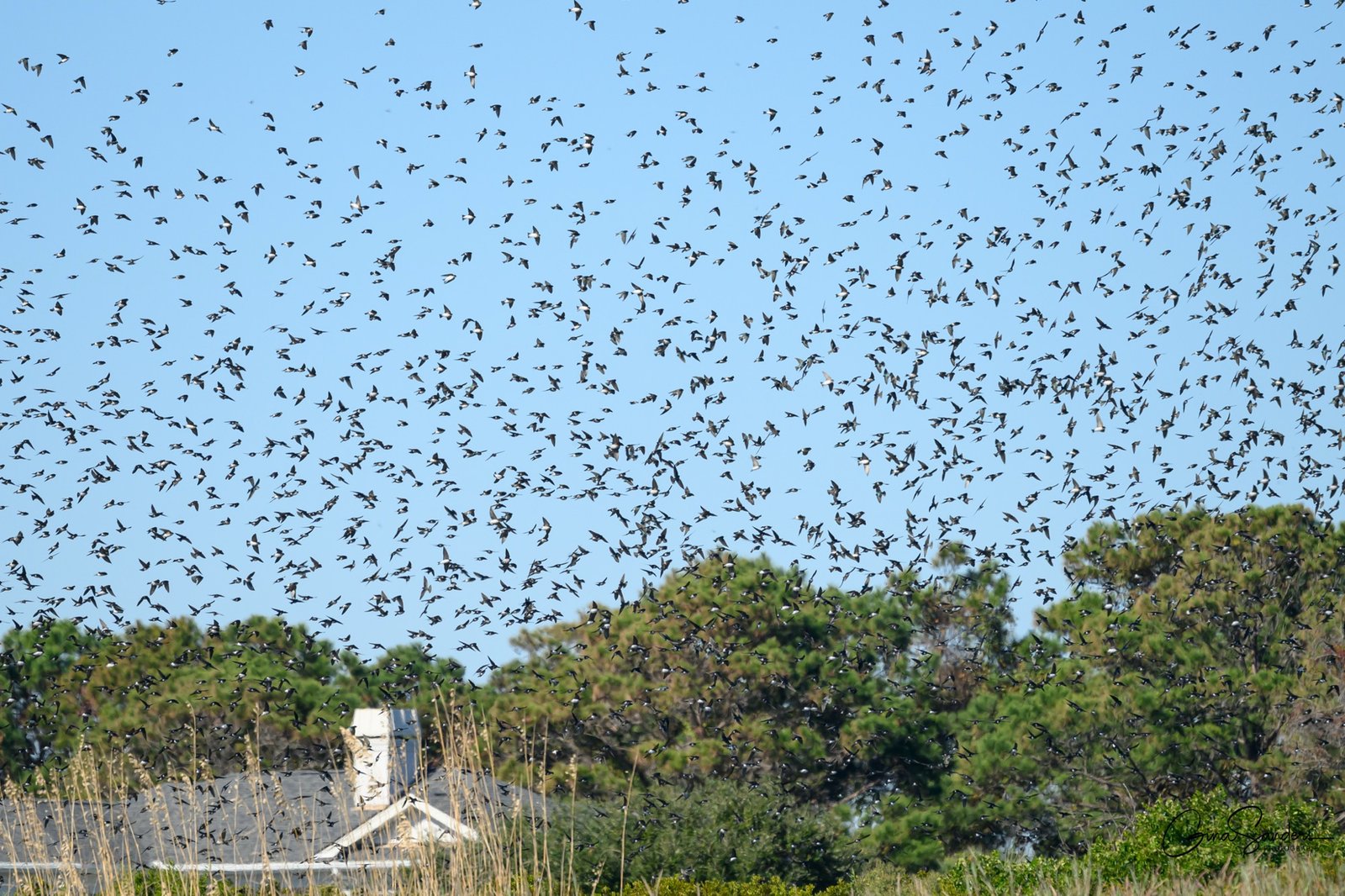
SIB “Bird of the Week”- Tree Swallow

Have you ever noticed large flocks of small birds flying over our North Beach dunes in the fall? If so, you’ve likely seen Tree Swallows. Known for forming large flocks both on the sand and in the air, they winter in our area, but we see the highest numbers on Seabrook Island in October and…
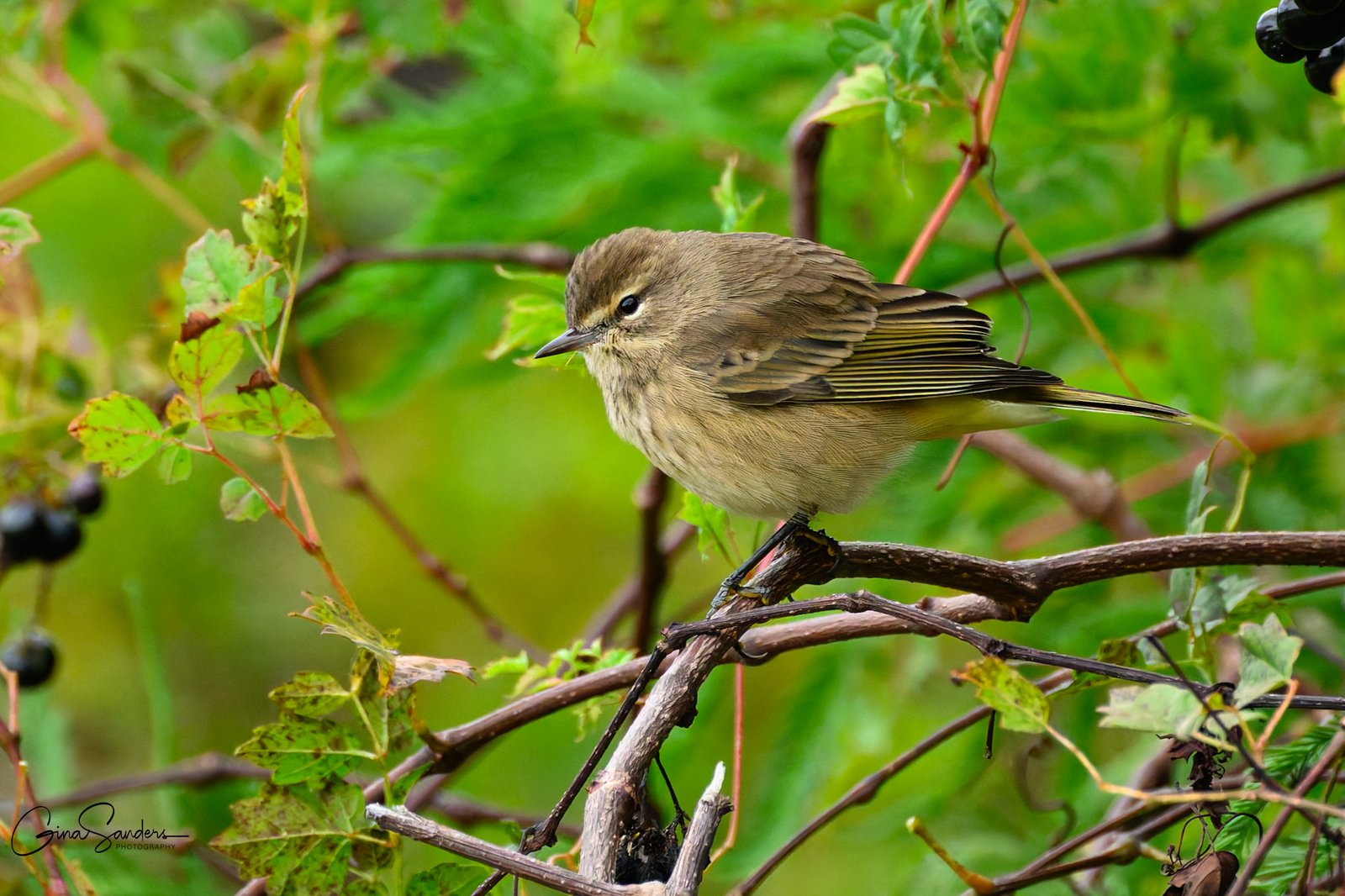
SIB “Bird of the Week” – Palm Warbler

Palm Warbler – Setophaga palmarumLength: 5.5″; Wingspan 8″; Weight: 0.36 oz. The Palm Warbler is one of the wood warblers commonly seen on Seabrook Island in the fall and winter months. The most obvious field mark is its tail-wagging habit. Although it is a rather dull olive on its back, as it wags, it shows its brighter…
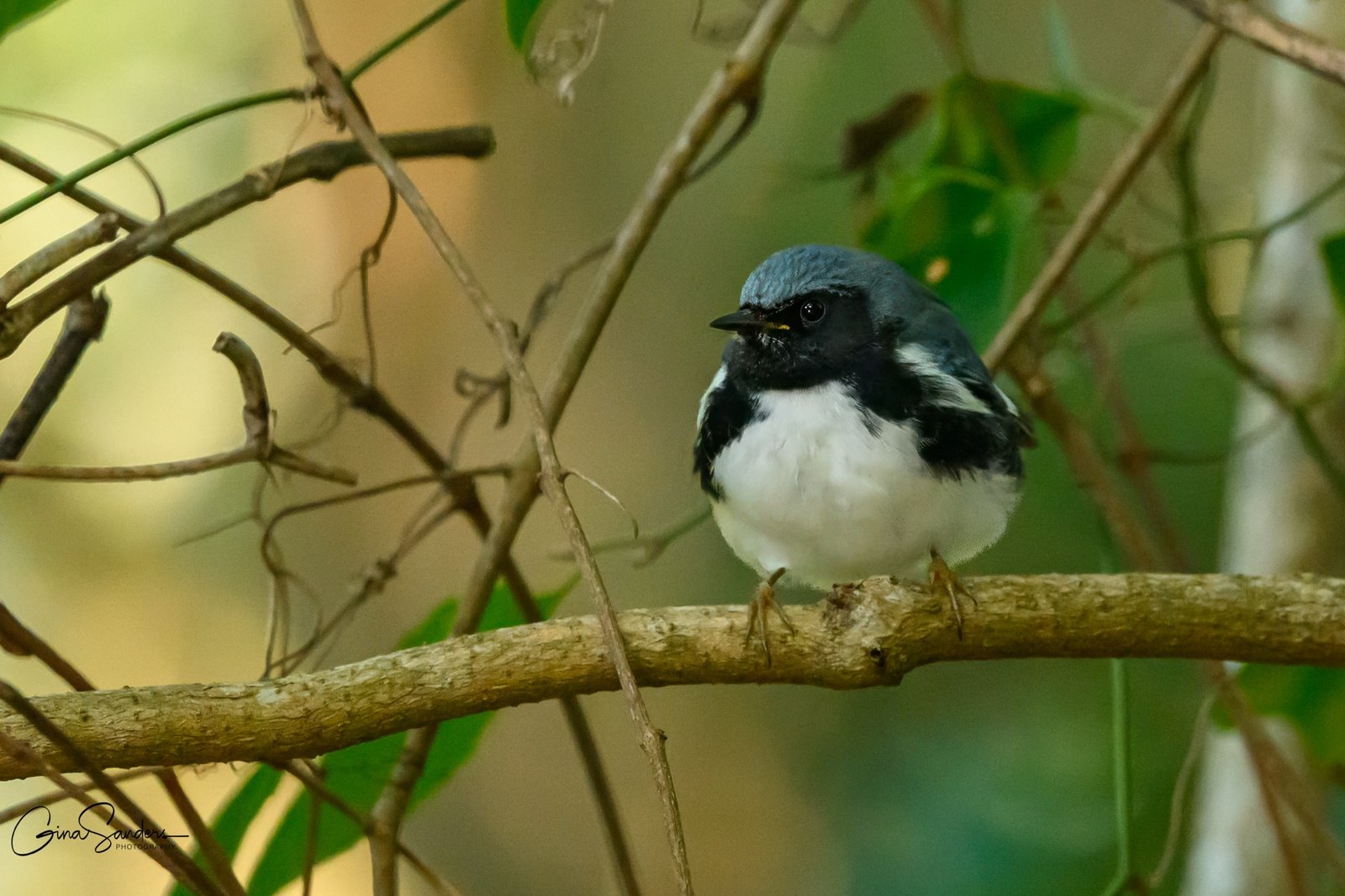
SIB “Bird of the Week” – Fall Migrating Warblers

Over the last several days a large number of birds have been migrating through our area at night. Cornell Lab’s BirdCast map has been brightly lit, highlighting the southbound passage of millions of birds. On Seabrook Island, several species of warblers have arrived, with large numbers seen around Palmetto Lake each day. Four of the…
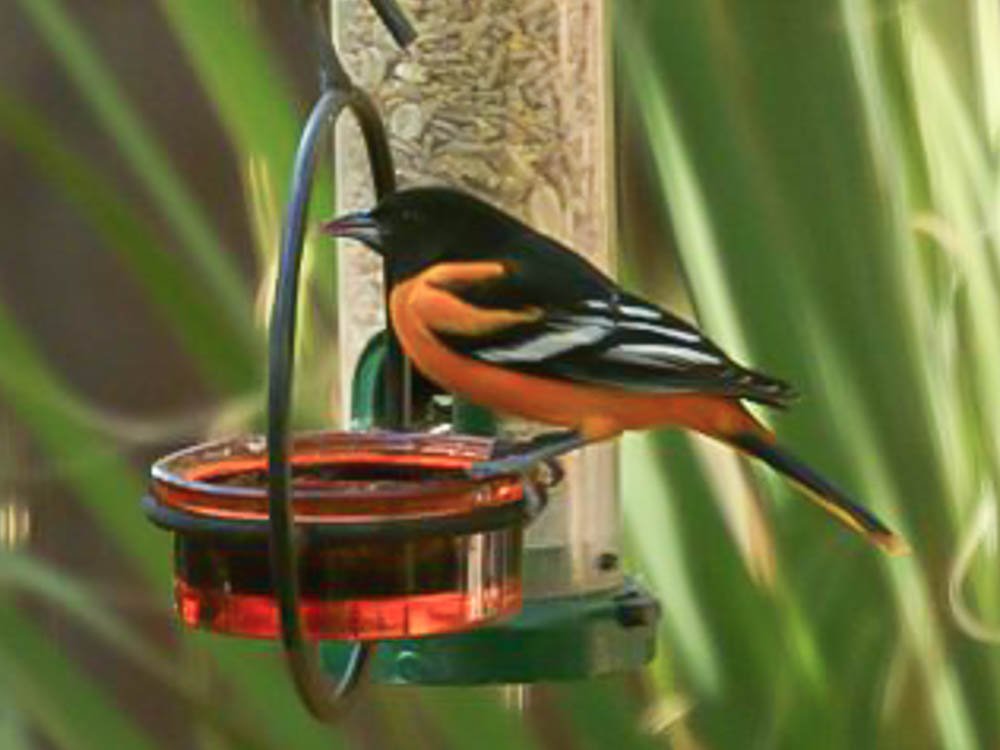
SIB “Bird of the week” – Baltimore Oriole

They’re back! It’s time to put out the grape jelly and welcome one of our favorite birds back to Seabrook Island! This brightly colored visitor is the Baltimore Oriole. Icterus galbula One of the most brilliantly colored songbirds in the east, flaming orange and black, sharing the heraldic colors of the coat of arms of…
SIB “Bird of the Week”- Willet
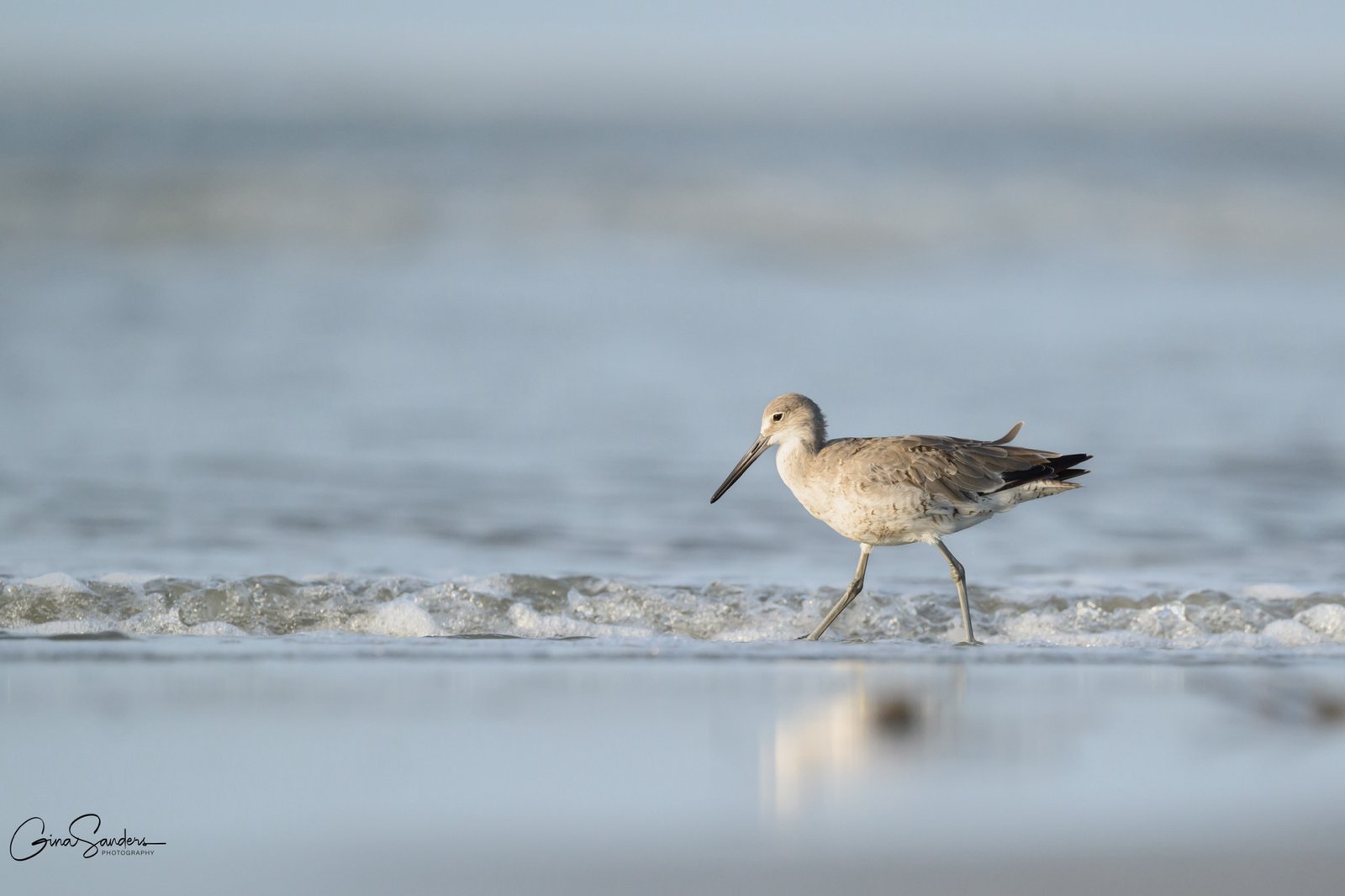
The Willet is a large shorebird that is a member of the sandpiper family. In winter, Willets are easy to spot feeding along the water’s edge. They have a somewhat bland plumage in the winter and a darker mottled brown plumage during breeding season. Walk along our beaches and you will often see them. To…
SIB “Bird of the Week”- Carolina Chickadee

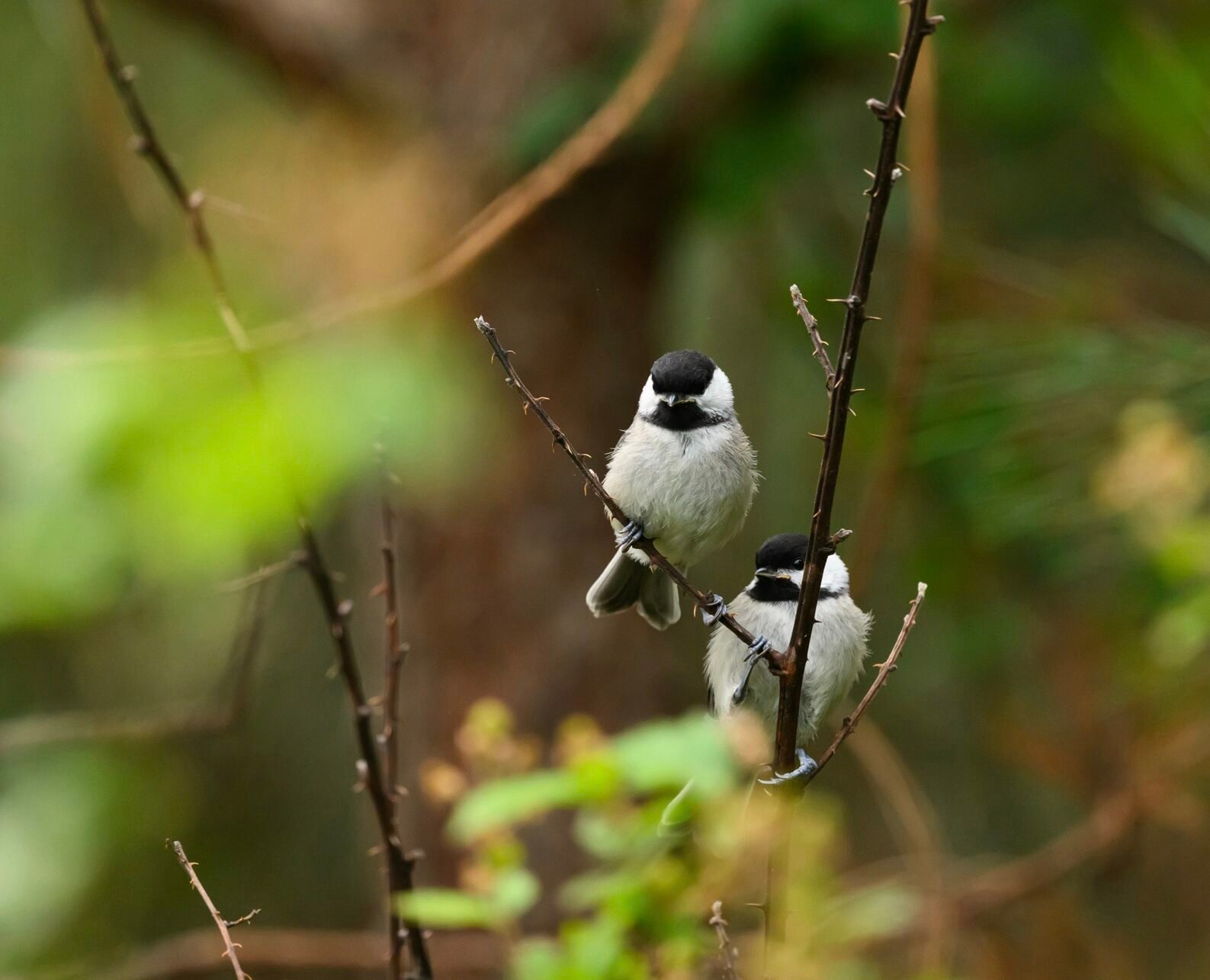
The Carolina Chickadee (Poecile carolinensis) is a common bird to our area, as well as a great portion of the Midwest down to south Texas and east to central Florida, up to central New Jersey. They’re also non-migratory, so we see them year round. They are part of the perching songbird family called Paridae which…
SIB “Bird of the Week” – American Redstart

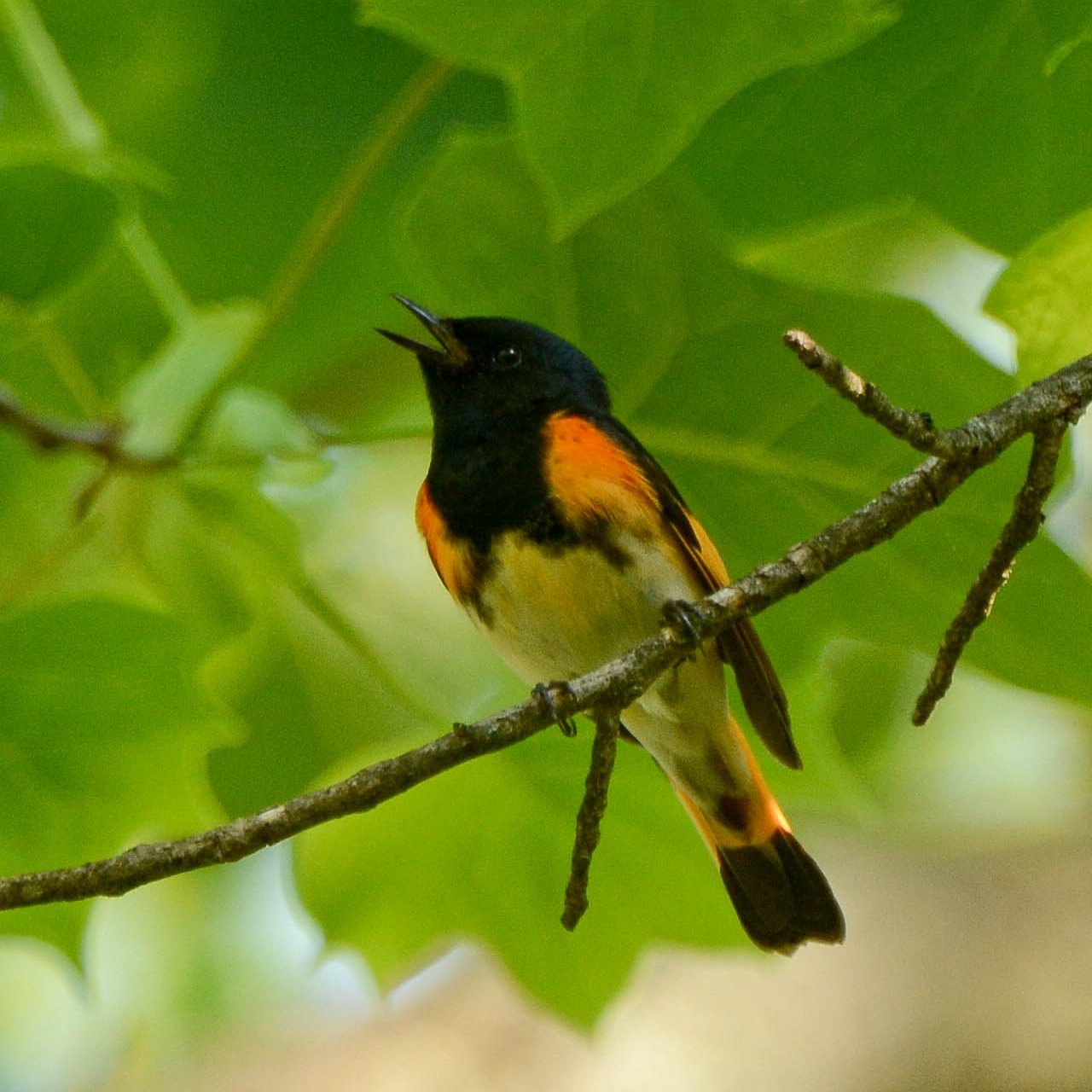
American Redstart – Setophaga ruticillaLength: 5.25″; Wingspan: 7.75″; Weight: 0.29 oz. While the American Redstart is a wood-warbler and part of the Parulidae Family, it is the only warbler species in the Setophage Genus. David Sibley, in his Field Guide to Birds index, does not list it among the warblers, but alone under Redstart. They do migrate, in treed habitats, along the SC…
SIB “Bird of the Week” – Prairie Warbler

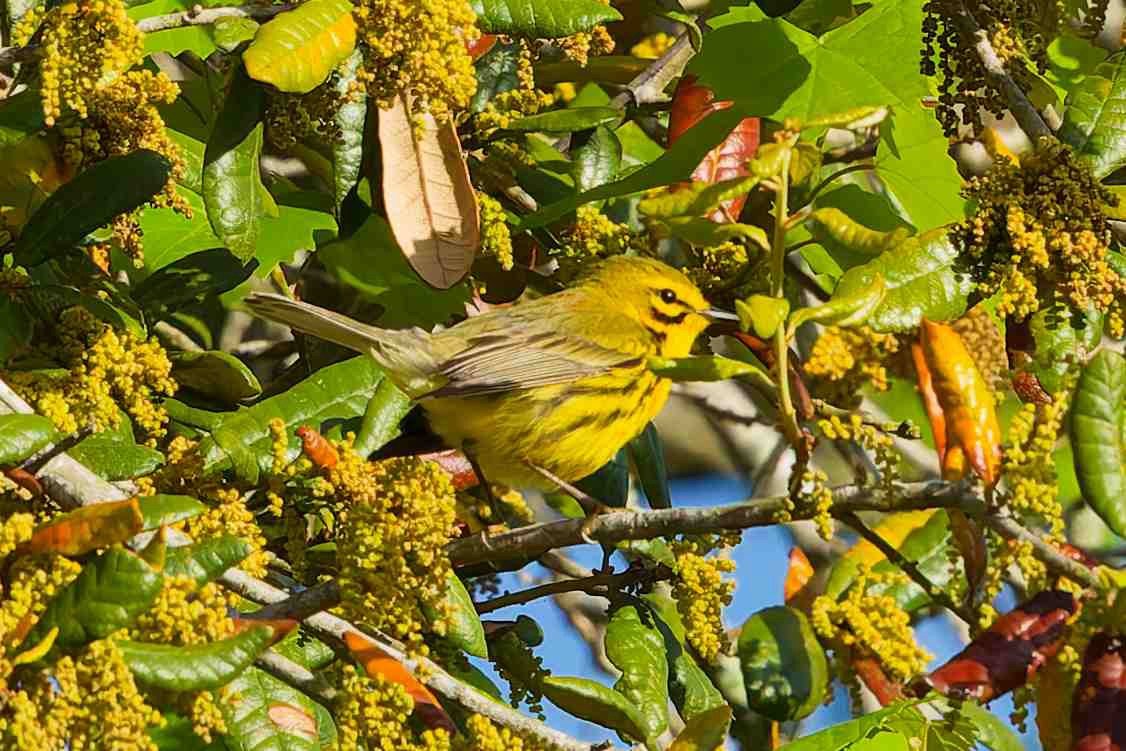
Prairie Warblers are found in scrubby second-growth forests, young pines, and overgrown pastures, not prairies! So how did the Prairie Warbler get its name? According to Wikipedia, the Prairie Warbler was named by Scottish-American ornithologist Alexander Wilson. In 1810, he found the bird in a scrubby area of southwestern Kentucky known locally as “the barrens”.…
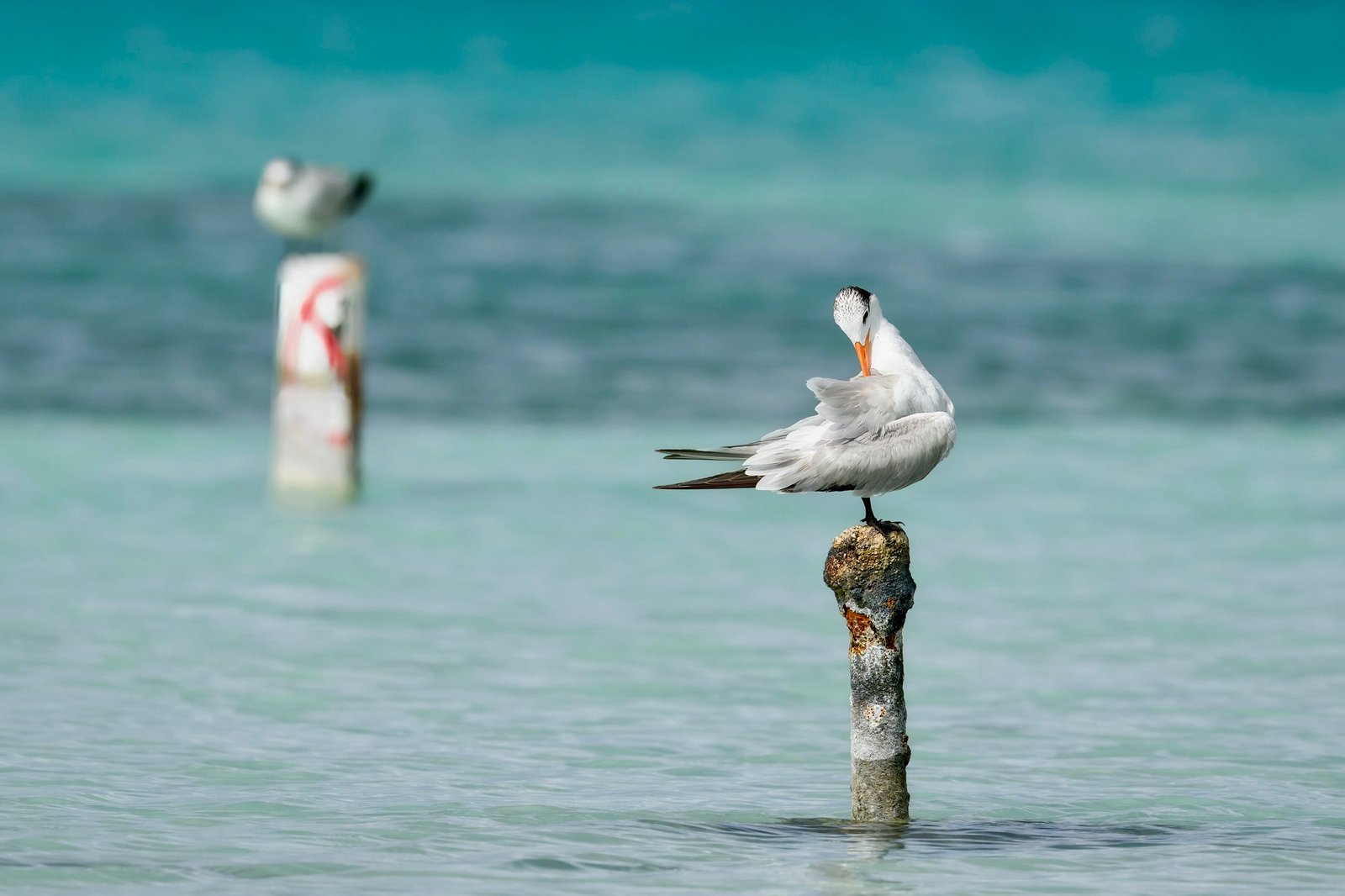
SIB “Bird of the Week” – Royal Tern
Royal Terns are often among the first birds a visitor sees at Seabrook Island’s North Beach, along with species such as Laughing Gulls and Brown Pelicans. They fly gracefully and slowly along the coastline, diving for small fish, which they capture with a swift strike of their daggerlike bills. Royal Terns live up to their regal…
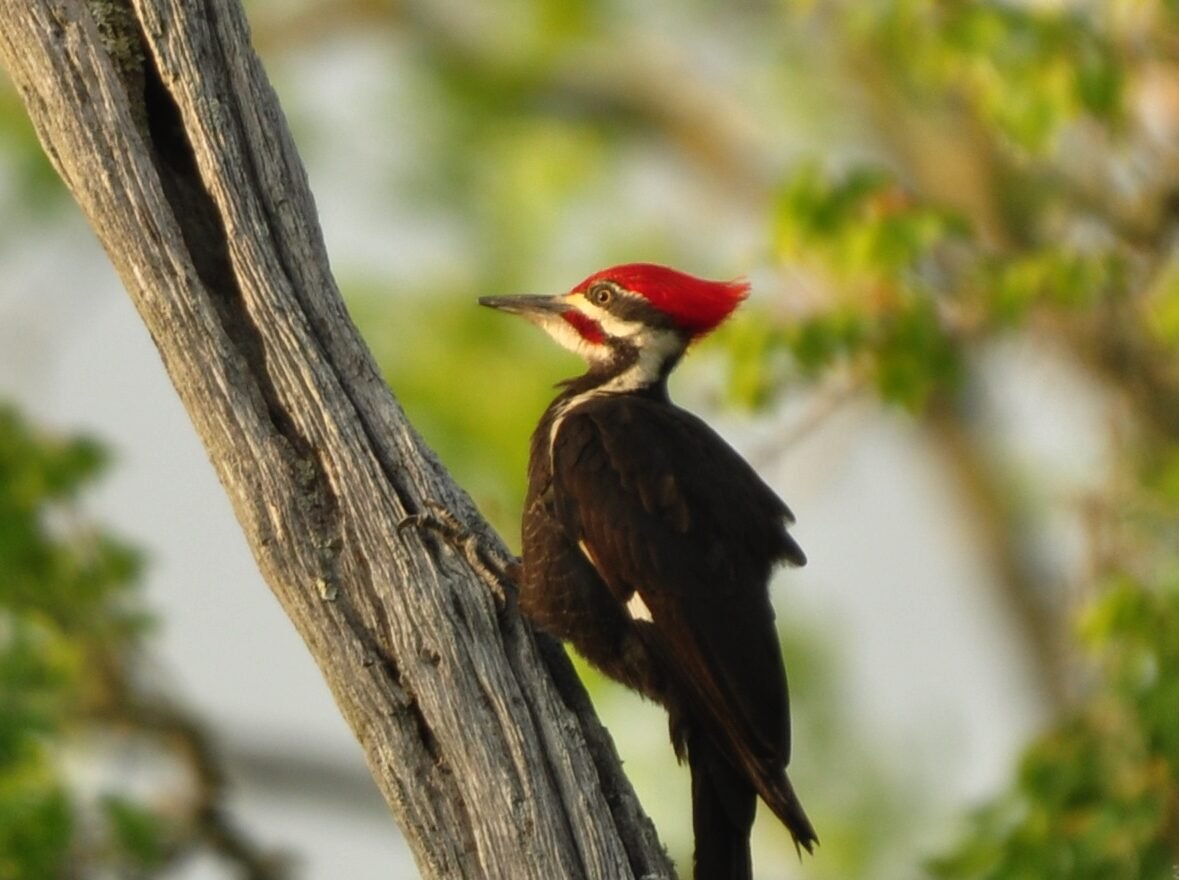
SIB “Bird of the Week” – Pileated Woodpecker

Pileated Woodpecker – Dryocopus pileatusLength: 15.7 – 19.3″; Wingspan: 26 – 29.5″; Weight: 8.8 – 12.3 oz. This bird is the largest woodpecker on Seabrook Island, SC with a long neck, mostly black with white stripes on the face and a flaming-red triangular crest that sweeps off the back of the head. The bill is long and…